The Connection Between Your Body & Self-Worth
If you’ve ever struggled with your body image and self acceptance, you are not alone. Body image and self acceptance are a surprisingly common topic among women in my therapy practice. It’s also a controversial topic with layers upon layers of nuance. Look at the comment section of any photo with a body in focus and you’ll see praise… and critique.
Toxic ideas about weight loss and weight gain proliferated popular TV shows that we watched as kids, like Saved by the Bell & Full House. The impact of diet culture brainwashing on body image and self acceptance has been taught since grade-school for many, and even since childhood for some individuals. Let’s explore this.
Diet Culture and Physical Development
How does the connection between body image and self acceptance/self-worth creep into our lives?
As a child of the 90s, I remember the stacks of diet/food magazines in the check out aisles of grocery stores. That’s part of diet culture. Diet culture is messaging and imagery that reinforces your own sense of low self worth—unless you look a certain way. Every client in my practice can relate to the pressure to conform to an unrealistic standard regardless of gender identity.
Caregivers can have internalized ideals about bodies that they teach their children, too. This can also be culturally informed, with an emphasis on body size, facial features, and skin tone. Many people can remember being bullied by a family member about how their body looked… They were “too skinny” or “had a muffin top” or “looked better when they were younger.” Some people can even remember hearing a caregiver talk negatively about their own body. Usually, an adult who struggles with body image and self acceptance had a caregiver who also struggled.
Rules around food and ideas like earning a treat and food restriction are other ways that diet culture creeps into childhood. A distorted relationship with food and fixation on “good” and “bad” foods can be culturally informed. And let’s be honest, this is so normalized in adulthood
Your Body & Your Mood
As a therapist, the impact that body image can have on mood is so clear. If how you feel is based on your daily self-evaluation of your appearance or weight, your mood will fluctuate often. For example, female monthly hormone changes can influence weight, body proportions, and appearance. Many of my clients also comment on mood sensitivity around menstruation.
The male clients I work with also express body image and self acceptance issues relating to appearing masculine. It can be helpful to understand your body type to expand your strength and build your health. Pursuing muscle gains to satisfy your inner critical voice isn’t likely to make you genuinely love yourself, though. This transformation comes from dismantling internalized messages and changing how you measure self-worth.
A deeper level of satisfaction can come from keeping your gut flora healthy and diverse. Eating foods that nourish you and have minimal impact on your digestive system will be easier to process and cause less discomfort. In a course called The Food Mood Connection, Dr. Leslie Korn recommends to eat your ancestral diet. Your ancestral diet is what your family lineage grew up eating where they are from.
How Relationships Influence Body Image and Self Acceptance
In adulthood, romantic relationships can become a source of negative memories relating to body image and self acceptance. When a partner makes comments about your body, this can feel like a deep rejection that damages your self-worth.
At the same time, friend groups can normalize dieting and fixation on body shape and size. It’s even been my experience that groups can encourage a cult-like accountability to restricting food, dieting and over-exercising.
In therapy, clients sometimes express feeling uncomfortable with being undressed in front of their partners or wearing baggy clothes to hide in. I also hear stories about rejecting the acceptance, praise, and love from others because when someone doesn’t believe it personally. If this sounds familiar to you, it’s more common than you might think. The internal struggle of body image and self acceptance can spill over into poor mental health and put stress on relationships. It’s a painful experience to have such internalized negative beliefs. Thankfully, there are ways to overcome these challenges.
Therapy for Body Image and Self Acceptance
There are several ways to work with body image and self acceptance in therapy. Different therapists may use different methods and guide conversations differently depending on their training. Here are some methods I use:
1. Talk therapy. In these sessions, we identify negative beliefs and generate insight based on your unique experiences. We’ll uncover what influenced your thoughts and explore new ideas to replace the old standard.
2. EMDR. EMDR can be used to process and emotionally resolve painful memories relating to body image and self-worth. In EMDR therapy, we pinpoint experiences and process the painful memory to a healed, factual memory. This healed effect is generalized across any related memories, and you can begin to heal your relationship with yourself.
3. Lifespan Integration. Lifespan integration therapy looks at your whole life story. We create a life timeline, and uncover painful memories and other events and turn them into “memory cues.” Through the process of repetition, you can heal the emotions of these memories, strengthen your identity, and increase self-compassion.
These three methods are the tip of the iceberg, really. Treatment will vary for each person in my practice depending on the area of greatest need, like emotion regulation skills, current stressors, and memory processing.
Dismantling Toxic Ideals: Tips for Cultivating a Healthy Body Image
Dismantling toxic body image ideals on your own is tough, and support is recommended. There are plenty of things that you can do on your own first without starting therapy.
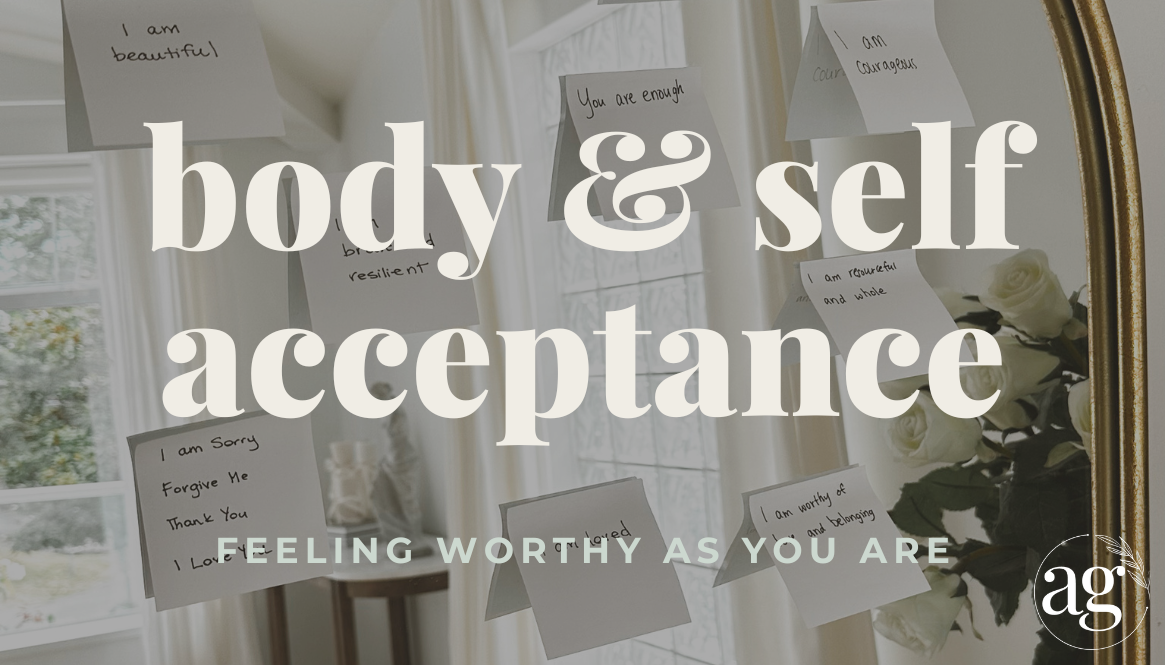
Daily self affirmations
Listen to a guided gratitude practice, like a self-acceptance meditation
Avoid the scale. Weight really is nothing but a number and gives you no information about your health. The idea that your weight number is important is the messaging we want to divorce ourselves from.
Unfollow accounts on social media that you notice you’re comparing yourself to in a negative light. Shame doesn’t encourage anyone to do anything. Comparison can move you away from your goal and reinforce harmful ideas.
Wear clothing that you feel comfortable and confident in. If you’re wearing baggy clothing and you feel frumpy, find at least one piece you feel confident in. Also, donate clothing that doesn’t fit you anymore. A closet full of “someday” items is more likely to inspire sadness than optimism. You’re not happy to own clothing that doesn’t fit, and clothing isn’t happy to be unworn. (That’s what Marie Kondo would say.)
Cheer yourself on! Cultivate an inner cheerleader voice and give yourself a compliment when you stand in front of the mirror.
Final Thoughts
For my final thoughts on this topic… I have an ever-evolving approach and understanding of body image and self acceptance. Learning how to facilitate this healing is a big part of my practice. I have immense compassion for folks who are healing their self-worth this way, and I’m not immune to this topic, either.
With the rise of GLP-1 and similar medications, we’re seeing a return to the skinny ideal in popular media. The idea is that anyone with money or medical coverage can finally fit that ideal. This perpetuates the harmful messaging we grew up with, and moves us away from body image and self acceptance.
There is room for both acceptance and the pursuit of changing your body composition and appearance. It may sound counterintuitive, but how you get there is what matters. Striving for an inner feeling can help you to feel a positive sense of self-worth at every stage in your life.
Why are people attempting "AI therapy?" AI is available 24/7, and with the input of a few prompts, you can receive information that might possibly be helpful. You not only avoid commuting, parking and paying for a session—you can avoid all the discomfort of emotional interactions with a human as you attempt to resolve your
Read More
Most conversations about mental health focus on insight, coping tools, and healing milestones. We often talk about what therapy helps us understand. However, we talk far less about what comes after therapy ends or shifts.That quieter phase is often the maintenance phase.It’s the space where life continues, even after therapy has helped you understand yourself
Read More
Making Online Couples Therapy Work For You Considering doing couples therapy online? If you're feeling skeptical, I get it, but virtual couples counselling can totally be a game-changer - especially if you prep thoughtfully. Let's walk through how to make your sessions feel real, connected, and safe (not awkward). Read this blog about preparing for online counselling Why
Read More