Reading Time: 3 minutesCould AI Be Your Therapist? Ashley 24 March 2026 0 Comment Belonging Is Not a Bonus, It’s a Mental Health Need Ashley 30 December 2025 …

Online Individual and Couples Counselling in Burnaby and Canada

Reading Time: 3 minutesCould AI Be Your Therapist? Ashley 24 March 2026 0 Comment Belonging Is Not a Bonus, It’s a Mental Health Need Ashley 30 December 2025 …
Reading Time: 8 minutes

Reading Time: 6 minutes


Our bodies talk, but do we know how to listen? Learn how to translate the messages of your inner experience.
The metaphor of the Three Registers- or as I refer to it- “3 levels of being” (Shelley, 1999) challenged the idea of a two-system mind (conscious & unconscious only). This concept made counselling processes so much easier for me to understand. The 3 Registers can help professionals cultivate a holistic approach and help clients understand their present experience more deeply.
The first level is the present moment, where “awareness,” “consciousness,” “mindfulness” and “feeling awake” exist. Being in the moment allows you to take “response-ability” and direct your attention to the safety and calmness of the present that can be cultivated.
This first level focuses on parts of your experience that you may be “unaware” of or only partly aware of. So the unconscious experience is a part of your awareness that is not yet understood. Anxious anticipation, traumatic experiences and triggers often exist here.
The first level focuses on how the body speaks, for example, through discomfort and pain. Somatization is the translation of psychological and emotional pain into body symptoms- think of a “nervous tummy,” “nervous bladder,” or some chronic pains. This register also carries the past, present and future, as it is the site of “embodied aging, of cellular growth and eventual decay.”
So with this understanding, how can you learn from your body & mind?
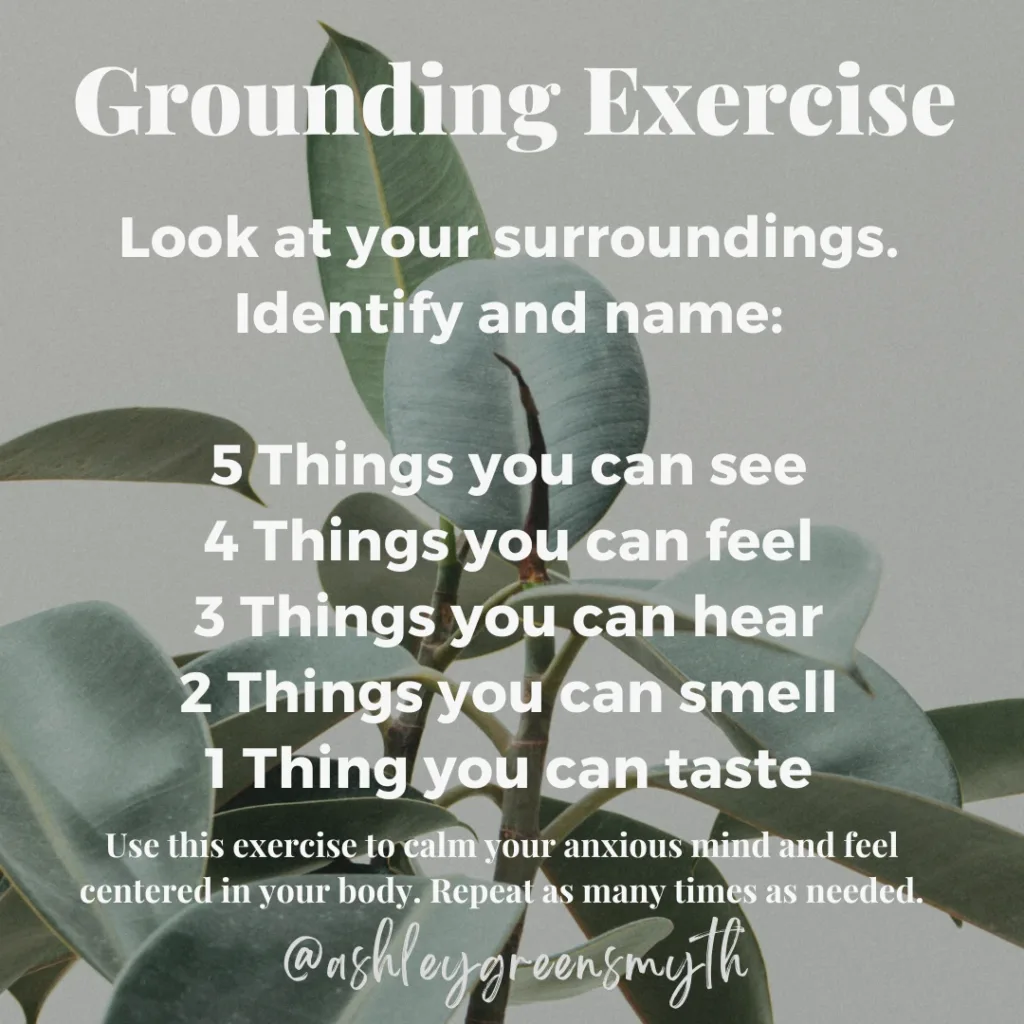
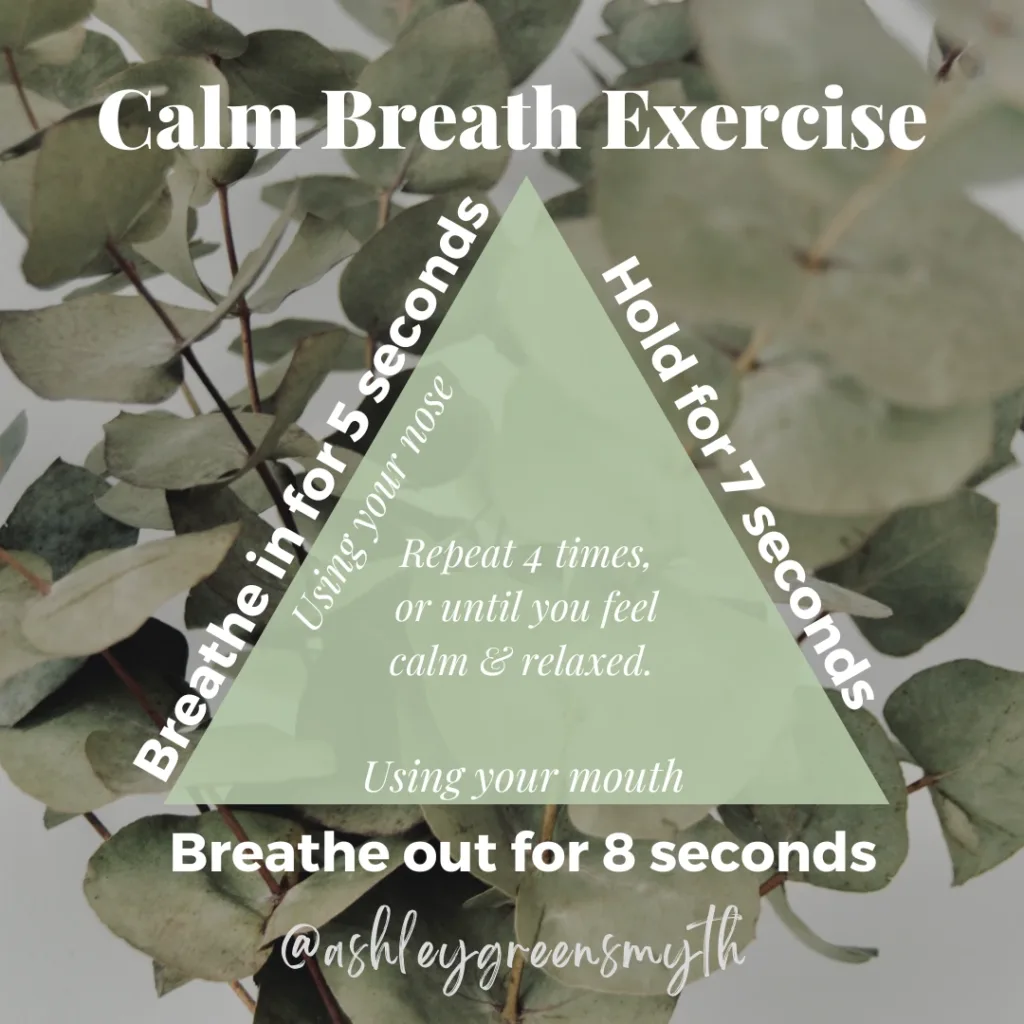
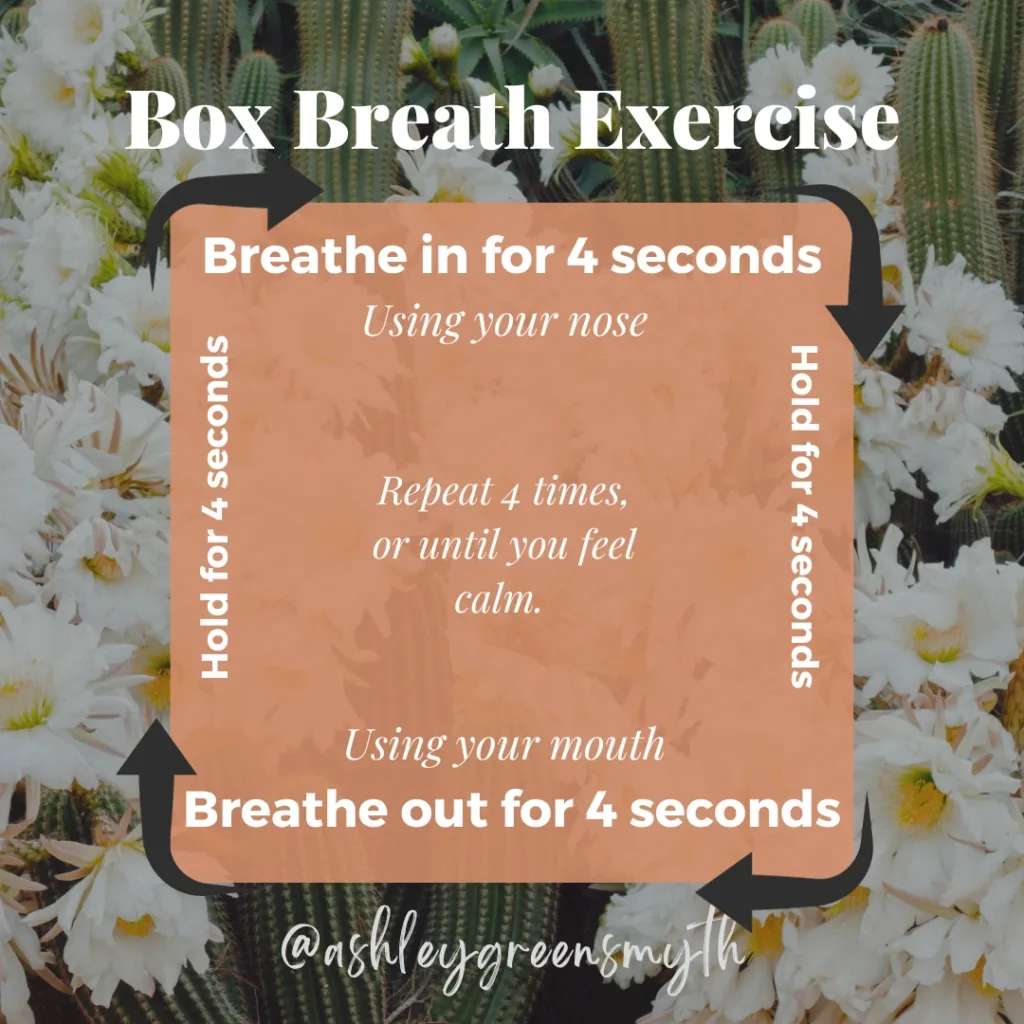
Think of a negative emotion that you experienced recently. You might have felt worried, angry, sad, anxious, stressed, or frightened. Strategies to manage symptoms on this first register include mindfulness, self-soothing, grounding, and calm breathing.
Cognitive behavioural therapy strategies work by examining the relationship between automatic thoughts and behaviours. Because the 3 registers overlap, strategies often help ease the body and mind at the same time.
Here are some practical tips to calm your emotions (and nervous system):
Physical Grounding
Mental Grounding
Self-Soothing
Exploring symptoms on the Second Register is best to do with a counsellor. Strategies like guided exploration and projective techniques explore how your body stores and interprets memories. Learning how you formed your personal beliefs requires a gentle approach, and often specialized knowledge and training.
Some questions you may begin to explore are:
These questions begin to tap into the patterns that therapies like EMDR and Lifespan Integration help to heal.
The Third Register
What if your primary concern is a bodily symptom? Do you have problems with restlessness, or suffer from pain in your chest? Perhaps you have problems with digestion, or chronic neck tension.
The very first step on this level is to see a doctor to rule out any physical causes. This will often require a physical exam and potentially bloodwork analysis. Once physical causes are ruled out, the somatic can begin.
Exploring the third register is recommended to do with a skilled counselling professional who can monitor you and recognize and calm emotional flooding. There are some self-guided reflections that you can explore on your own. Some examples of questions may include:
In addition to self-exploration, engaging the body in a physically relaxing way can redirect attention and allow sensations to exist and flow through you. Activities like yoga, swimming, dancing, gardening, stretching and running can be passive ways to engage your body. Keep your attention focused on the movements- not how it feels to do, but how the body mechanically accomplishes the task.
What Happens Next?
With this understanding of the Three Registers, you can increase awareness of your emotional, psychological, and physical experience. This will improve your self-understanding and can contribute to your self-healing process. Enjoy the exploration process, and record your insights in a note on your journal. Remember that speaking to a professional counsellor can enhance this experience, and help you navigate challenges and blind-spots.
let’s work together
Explore all the levels of knowing yourself.
Book a consultation or appointment to begin your therapy journey with me.

Have you ever had strange a symptom in your body during stress or a time of high emotions? It’s relatively normal, for example, that a twitching eye can indicate increased or prolonged stress. Your body might be telling you something with the sensations you experience. But can you understand the message?
Unexpressed emotions, stress, and trauma can manifest in your body. This is the basis of somatic therapy and somatic work. Did you know that Alfred Adler coined the term “organ jargon” to refer to the physical manifestation of psychological pains in the early 1900s? Similar to modern “bodywork,” Adler might ask a patient with stomach pains if something in their life made them feel “sick to their stomach.” In this way, organ jargon or “organ dialect” is a symbolic expression of a true feeling that corresponds with an individual’s lifestyle.
If this sounds like a heady topic, you can read about organ jargon on Adlerpedia to become more familiar with this concept.
Special note: Self-exploration questions may trigger an emotionally charged memory. If you feel triggered by certain bodily sensations or activities, exploring your symptoms can enhance this experience. If you find yourself becoming triggered, switch your focus from your symptoms to grounding exercises to calm yourself.
Recommended Reading:
The Three Registers by Chris Shelley
let’s work together
EMDR is a pathway into somatic healing.
Book a consultation to learn how EMDR can help you.

Progressive muscle relaxation is the intentional tensing and releasing of various muscle groups to restore a sense of relaxation and calm to your body. This technique is especially effective for reducing stress as you guide your body into a calmer state.
Instructions:
It is suggested to hold the tension in a muscle group for 7-10 seconds as you tense. If you feel any pain or discomfort in a targeted muscle group, feel free to skip that step. It can also be helpful to close your eyes and visualize the muscles tensing as you go though the exercise. As you release tension, imagine a wave of relaxation flowing over the muscle group. You may tend to subconsciously hold your breath as you tense your muscles, so remember to keep breathing throughout the exercise.
Find a comfortable position either sitting in a chair or lying down somewhere where you will not be interrupted. Allow your attention to focus solely on your body. If your mind wanders, that is okay, just bring your attention back to the muscle you are working on.
Begin by focusing on your breath for 3 deep belly breaths. It can help to put your hand on your belly as it rises and falls. Breathe in through your nose, and put through your mouth.
Tighten the muscles in your forehead by raising your eyebrows as high as you can. Imagine your eyebrows are reaching for your hairline. Hold and breathe- then relax.
Close your eyes as tightly as you can. Hold and breathe- then relax.
Now smile as widely as you can to engage your mouth. Hold and breathe- then relax. Imagine a wave of relaxation emanating from your face.
Tilt your head back to stretch your neck. Hold and breathe- then relax. Bring your head to a natural relaxed position and feel the weight of your relaxed head and neck.
Next, let your shoulders rise up to your ears and hold them tightly. Feel the tension in your shoulders and hold. Breathe naturally, then relax.
Next, tighten your shoulder blades by trying to bring them together. Imagine your elbows can touch behind your back. Hold while breathing, then relax.
Curl your arms to engage your biceps and squeeze tightly as you flex. Hold and breathe- then relax. Imagine a wave of relaxation running down your arms and through your body.
Squeeze your hands into fists and hold the squeeze. Hold and breathe- and relax.
Suck in your stomach to engage your abdomen and your core muscles. Hold this tightly for a moment. Breathe and relax. Feel your stomach relaxing to a neutral state.
Now arch your lower back by pushing back from the hips. Imagine you are trying to push your toosh out into the bed or the chair. Hold the tension and breathe, then relax.
Now squeeze your toosh. Engage your posterior muscles and hold the tension. Breathe and relax, feeling your hips and pelvis relax.
Squeeze your thigh muscles from your hips to your knees. If you are sitting, imagine you are pushing away from your knees without engaging your calves. Hold and breathe- and release.
Curl your feet up to engage your calves in a good stretch. Hold the tension. Breathe and relax.
Now curl your toes under your feet so you feel your toes touching the bottom of your feet. Hold and breathe- then relax.
Do a body scan to see if any muscles are still carrying tension. If you need to, return to these areas and tense and release them again, following the script.
Feel the weight of your body on the chair, or the weight of your body on the bed. Imagine a wave of relaxation washing over you. Feel the inviting calm. Your tension has melted away.
You can use this progressive muscle relaxation technique any time you are feeling stressed or anxious, or when you want to experience deep relaxation. Ask your partner or a friend to read this to you and guide you through the exercise. You could even record yourself reading the script and play it back to yourself when you practice. This exercise is especially useful to use before you go to sleep at night as it helps your body to relax into a deep sleep.