Note: This blog was written during the 2020 coronavirus (COVID-19) pandemic.
Choosing Low Stress Over Panic
Does it seem like everyone and their dog are rushing to the supermarket, mass retailer, and grocery store to stock up on toilet paper? While prevention is the best intervention, there’s a fine line between preparation and panic purchasing. This blog will provide some simple tips to keep calm amid the current upheaval across the globe.
Get Real About Your Risk
Identifying Protective Factors and Risk Factors
Just like any physical or mental ailment, every individual has risk factors and protective factors. For example, anxiety might be a risk factor at a high stress job, and a protective factor could be having close emotional supports or a regular self-care regime.
When it comes to the COVID-19 outbreak, protective factors include immune system functioning and reducing opportunities for contact.
Protective factors: Behaviours that support healthy immune functioning, including:
- Sufficient sleep
- Good nutrition (lots of fruits and vegetables)
- Exercise regularly
- If you consume alcohol, do so in moderation
Hygiene
- Wash your hands often with soap and water for at least 20 seconds (especially after being in a public place, or after blowing your nose, coughing or sneezing). Hand sanitizer that contains at least 60% alcohol is an option if soap and water aren’t available.
- Avoid touching your eyes, nose and mouth with unwashed hands.
- Avoid close contact with others who are sick
- If you have travelled out of the country (even for cheese or fuel), stay at home for 14 days to make sure no symptoms arise
Risk factors: According to the Center for Disease Control, “older adults and people who have severe underlying chronic medical conditions like heart or lung disease or diabetes seem to be at higher risk for developing more serious complications from COVID-19 illness.”
People who have these diagnoses and conditions might be at higher risk for contracting the virus and should be mindful of personal hygiene and social distancing. In other words, wash your hands frequently and avoid close, personal contact in public spaces. Please, stay home if you are at all sick so that others can be protected.
Give More to Yourself to Get More From Yourself
Self-care (Put Your Mask on First)
The idea of giving more to yourself to get more from yourself is like the phrase: you can’t pour from an empty cup. “When you’re calm, rested, and energetic, you’re better able to deal with challenging circumstances” (Gretchen Rubin).
At these times, we might be caring for loved ones, coworkers, colleagues, or clients. It’s important to remember to take care of yourself first. Many people in helping professions and positions are running ragged, working tirelessly to help sick people to recover. Dedication to your job at this level is admirable, it’s honourable, and I also want to encourage people who have the privilege to consider the level of care others are getting if you’re not feeling 100% or even 50%. If you have the opportunity and capacity to reduce your load, please take the opportunity to give back to yourself.
Love Thy Neighbour (From a Safe Distance)
Social Interest During Pandemic
These days, we are practicing social distancing and spending time with loved ones virtually to prevent personal contact. But what about those people whom you have nothing to do with? The greater community.
Food and household supplies are flying off the shelves at alarming rates, which highlights an economic advantage. People who can afford to purchase in bulk and who can shop at the stores during the daytime are at an advantage from those who cannot. Some people have to work multiple jobs to make ends meet. Consider purchasing only what you need and also donating to your local foodbank.
Ground Yourself in the Reality of the Situation
Relaxing at Home
Mass media fear mongering might have you believing that your best bet is to crawl into a bunker and wait for a better solution to arrive. The majority of individuals affected by the viral outbreak so far have experienced moderate symptoms and recover to good health.
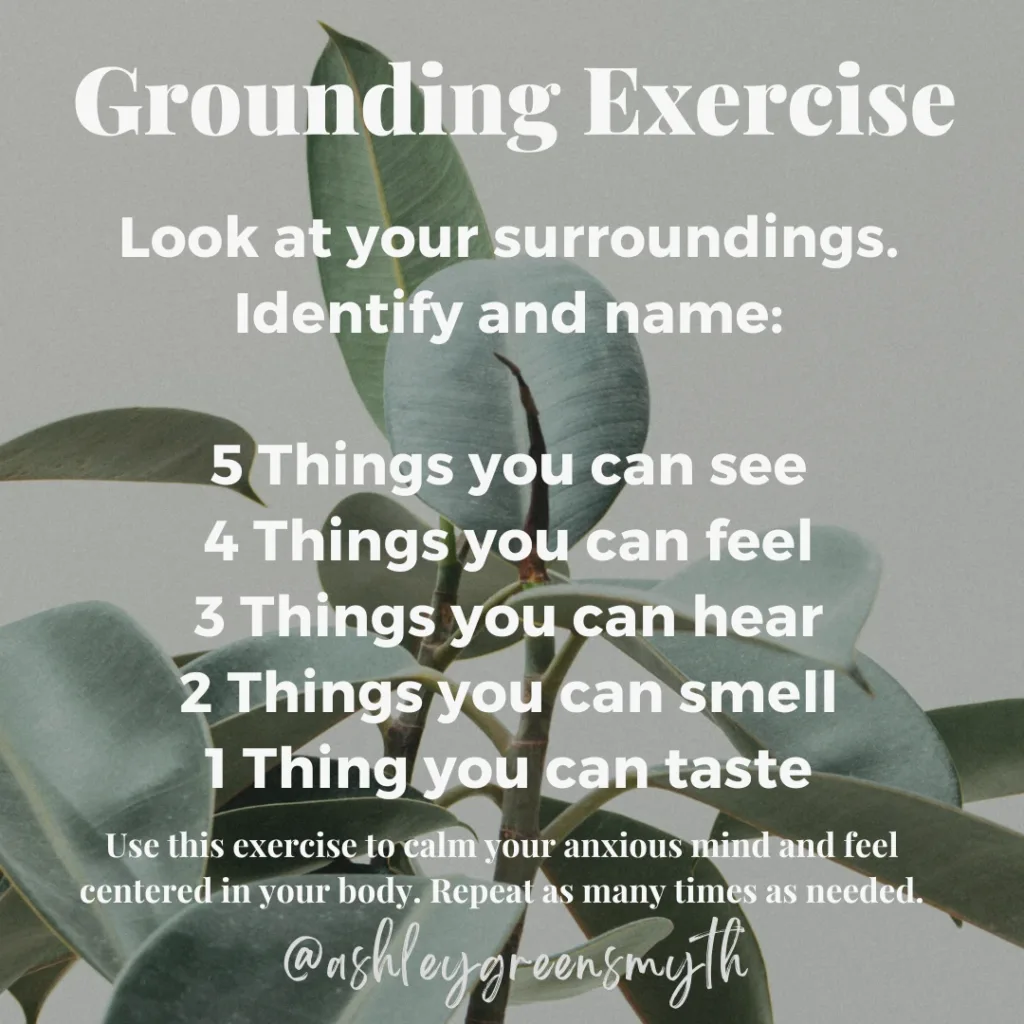
Here are some techniques and tips you can practice to help yourself feel grounded if stress, anxiety or panic begin to take over:
- 54321
- Practice a calm place visualization on YouTube
- Relaxing breath: inhale for 4 seconds, hold for 7 seconds, exhale for 8 seconds
- Use calming scents, like peppermint, vanilla or lemongrass in the home (or whatever smell you prefer)
- Play calming visual videos
- Practice progressive muscle relaxation
Stay At Home/Stay Sane Plan
Activities to Avoid Cabin Fever
- Take a break from the news to reduce your stress and anxiety
- Plan a bucket list
- Have a movie night
- Re-make your favourite movie scenes with your family, pets or solo!
- Plan a scavenger hunt at home
- Pick up hobby that you’ve let go of
- Read some fiction (escape reality!)
- Master a card trick
- Play some board games
- Catch up on podcasts
- Practice baking
- Try a new recipe
- Play an instrument
- Spring clean your closet
- Try the KonMari (Marie Kondo) method
- Plan an indoor picnic with your partner
- Spa day at home
- Have a virtual hangout with your friends
- Host a virtual dance-off on Instagram or Facebook live
- Have a virtual dinner party- your home, your own meal, your favourite guests–virtually!
Anxiety is a normal response to a possible danger so try not to feel anxious about feeling anxious. Taking breaks from news media and asking your loved ones to change the conversation topic is totally acceptable. This can help you set boundaries to reduce your stress.
Take action to reduce your stress by increasing your protective factors and talking with others. If you aren’t feeling better after talking to your loved ones, consider talking with a counsellor. Virtual and telephone sessions will be available.
let’s work together
Need someone to talk to?
Schedule your free consultation or first counselling session today.